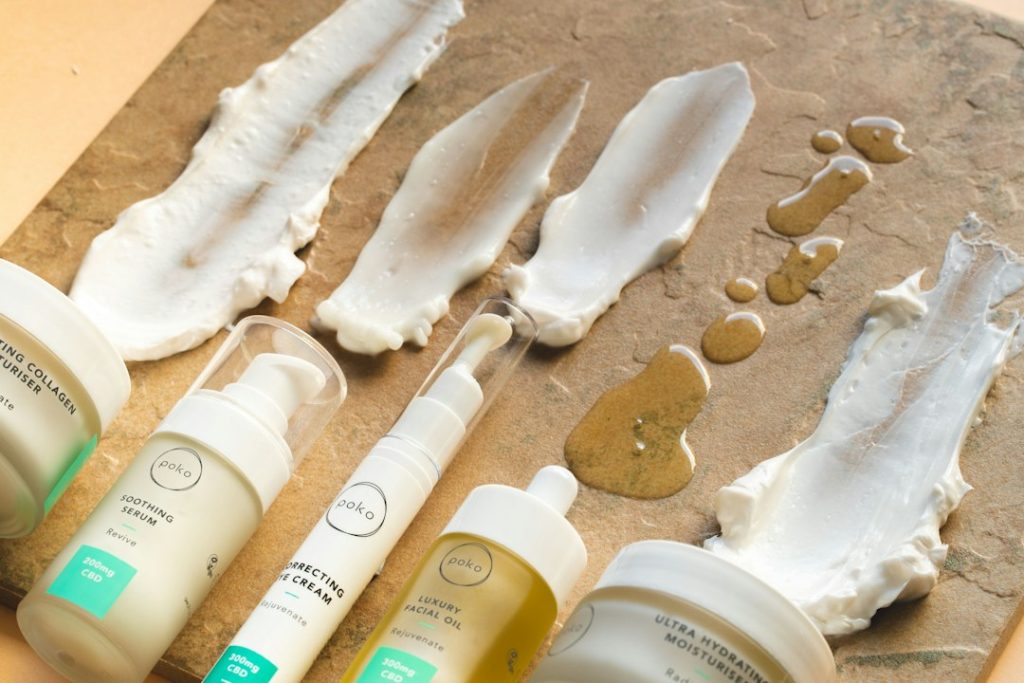
The quest for perpetually hydrated, plump skin often leads us down a rabbit hole of ingredients and techniques. Among the most buzzed-about recent trends is “slugging,” a method that involves creating an occlusive layer on the skin to prevent moisture loss. While traditionally associated with petroleum jelly, the modern skincare enthusiast is exploring alternatives. This deep dive pits two powerful contenders against each other: Barrier Repair Creams and Facial Oils. Which one reigns supreme in the slugging showdown for locked-in hydration?
Understanding the Core Players: Barrier Repair Creams
Barrier repair creams are formulated to specifically target and replenish the skin’s natural protective barrier, which can become compromised by environmental stressors, harsh ingredients, or intrinsic factors. They are often rich in components that mimic the skin’s own lipids, helping to restore its integrity and function.
What are Barrier Repair Creams? Key Ingredients & Mechanisms
At their core, barrier repair creams are designed to reinforce the stratum corneum, the outermost layer of the epidermis. They achieve this through a combination of key ingredients:
- Ceramides: These are lipid molecules that are naturally found in the skin’s barrier. When applied topically, they help to fill in the gaps between skin cells, creating a more robust and cohesive barrier.
- Fatty Acids: Essential components of the skin’s lipid matrix, fatty acids help to maintain suppleness and prevent transepidermal water loss (TEWL).
- Cholesterol: Another crucial lipid that works synergistically with ceramides and fatty acids to support barrier function and reduce inflammation.
- Niacinamide (Vitamin B3): Beyond its anti-inflammatory properties, niacinamide can boost ceramide production and improve overall barrier resilience.
- Humectants (e.g., Hyaluronic Acid, Glycerin): While not direct barrier components, these ingredients draw moisture into the skin, providing hydration that the occlusive agents can then lock in.
The mechanism is straightforward: these ingredients work together to patch up the compromised barrier, reducing water loss and protecting the skin from external irritants. This leads to calmer, more hydrated, and resilient skin.
Top Barrier Repair Creams for Intense Hydration (2026)

When selecting a barrier repair cream for slugging, the focus should be on formulations rich in the aforementioned ingredients, offering a substantial, emollient texture without feeling overly heavy or greasy.
Best Overall: CeraVe Skin Renewing Cream
This cult-favorite cream boasts a potent blend of ceramides, hyaluronic acid, and niacinamide. Its MVE Technology ensures a controlled release of ingredients, providing long-lasting hydration and barrier support. The texture is creamy yet absorbs well, making it an excellent candidate for slugging without excessive greasiness.
Best for Sensitive Skin: La Roche-Posay Cicaplast Baume B5
A powerhouse for soothing and repairing, Cicaplast Baume B5 is formulated with 5% Panthenol (Vitamin B5), Madecassoside, and a rich blend of emollients. It’s exceptionally gentle, ideal for post-procedure care or for those with highly reactive skin. Its thick, balm-like consistency provides excellent occlusion.
Best Budget-Friendly: Vanicream Moisturizing Cream
Free from common irritants like dyes, fragrance, parabens, and lanolin, Vanicream Moisturizing Cream is a no-frills, highly effective option. Its simple yet robust formula relies on petrolatum and other emollients to create a strong occlusive barrier. It’s thick, dense, and incredibly effective at sealing in moisture, all at an accessible price point.
Demystifying Facial Oils: Nature’s Emollients
Facial oils have been used for centuries in various cultures for their skin-nourishing properties. Modern formulations have refined their application and efficacy, offering a diverse range of benefits from lightweight hydration to deep nourishment. When considering them for slugging, their occlusive capabilities are paramount.
The Science Behind Facial Oils: Emollients, Occlusives, and More
Facial oils are primarily composed of lipids, which naturally exist in the skin. Their effectiveness in skincare, particularly for slugging, stems from their dual role as emollients and occlusives:
- Emollients: Oils soften and smooth the skin by filling in the spaces between skin cells. This improves the skin’s texture and feel.
- Occlusives: Many facial oils create a physical barrier on the skin’s surface, preventing water from evaporating. The degree of occlusion varies depending on the specific oil’s fatty acid profile and molecular weight. Oils rich in linoleic acid and oleic acid are particularly effective.
- Nutrients: Beyond lipids, oils can deliver beneficial compounds like antioxidants, vitamins, and essential fatty acids that nourish the skin.
The key to using oils for slugging lies in selecting oils with a high occlusive factor – those that effectively form a barrier to trap moisture. Heavier, more viscous oils tend to be more occlusive than lighter, more easily absorbed ones.
Leading Facial Oils for Deep Moisturization (2026)

The selection of facial oils for slugging should prioritize those known for their occlusive properties and skin-compatible fatty acid profiles.
Best Versatile Oil: Rosehip Seed Oil (e.g., Radha Beauty Rosehip Oil)
Rich in essential fatty acids (linoleic and linolenic acid) and antioxidants like Vitamin A and C, rosehip seed oil is a potent multitasker. It helps with cell regeneration, scar reduction, and hydration. While lighter than some oils, it still offers good occlusive properties and is suitable for most skin types when used for slugging.
Best for Oily/Acne-Prone Skin: Jojoba Oil (e.g., Cliganic USDA Organic Jojoba Oil)
Chemically, jojoba oil is a liquid wax ester, making it incredibly similar to the sebum naturally produced by human skin. This similarity allows it to balance oil production, moisturize without clogging pores, and provide a protective barrier. Its non-comedogenic nature makes it a safe bet for those prone to breakouts.
Best Rich Oil: Squalane Oil (e.g., Biossance 100% Squalane Oil)
Squalane is a saturated and stable form of squalene, a lipid naturally found in skin sebum. It’s an exceptional emollient and occlusive agent, providing deep hydration and a smooth finish without greasiness or irritation. Its lightweight yet effective barrier-forming properties make it ideal for slugging, especially for drier skin types.
The Slugging Strategy: Maximizing Hydration with Barrier Repair Creams vs. Facial Oils
Slugging is not merely about slathering on a thick product; it’s a strategic approach to enhancing skin hydration by creating a physical barrier that prevents moisture loss. The effectiveness lies in the final occlusive step of a skincare routine.
How Slugging Works: Creating an Occlusive Barrier
At its core, slugging leverages the principle of occlusion. The skin naturally loses water throughout the day and night via transepidermal water loss (TEWL). An occlusive agent forms a layer on the skin’s surface that significantly slows down this evaporation process. By preventing moisture from escaping, the skin remains hydrated for longer periods. This can lead to a plumper, smoother appearance and improved skin barrier function over time, especially when combined with hydrating serums or moisturizers applied beforehand.
Slugging with Barrier Repair Creams: The Step-by-Step Guide
- Cleanse: Start with a gentle cleanser to remove makeup, dirt, and impurities.
- Treat (Optional): Apply any serums or treatments you regularly use. Ensure they are well-absorbed before proceeding.
- Moisturize: Apply your chosen barrier repair cream. You’ll want a generous amount, ensuring full coverage.
- Seal: This is the “slugging” step. Apply a final, thicker layer of the barrier repair cream, focusing on areas prone to dryness. Think of it as a protective mask.
- Sleep: Protect your pillowcase with a silk or satin cover, or an old towel, as some product transfer is inevitable.
Slugging with Facial Oils: The Step-by-Step Guide
- Cleanse: As always, begin with a clean face.
- Hydrate: Apply a water-based hydrating serum or a light moisturizer. This step is crucial as the oil will seal in the moisture from these products.
- Oil Application: Dispense a few drops of your chosen facial oil into your palms, warm it slightly by rubbing your hands together, and then gently press it onto your face. Avoid harsh rubbing.
- Seal: Ensure an even layer of oil covers the skin. For drier complexions, a slightly more generous application can be beneficial.
- Rest: Proceed to sleep, taking precautions for your bedding.
Head-to-Head: Barrier Cream Slugging vs. Facial Oil Slugging
Both barrier repair creams and facial oils can effectively perform the function of slugging. However, their distinct formulations lead to nuanced differences in efficacy, suitability for various skin types, and potential downsides.
Efficacy in Locking in Hydration: A Comparative Analysis
When it comes to pure occlusion, the efficacy is largely determined by the formulation’s ability to form a continuous film on the skin. Traditional slugging with petrolatum-based products is often considered the gold standard for occlusion due to its high effectiveness and low comedogenicity for most. However, well-formulated barrier repair creams, especially those with petrolatum, dimethicone, or rich emollient bases, can achieve similar levels of moisture retention. Facial oils offer variable occlusion; heavier oils like squalane or certain seed oils provide excellent sealing, trapping both topical hydration and the skin’s natural moisture. Lighter oils may offer less potent occlusion but can still contribute significantly, especially when layered over humectants.
| Feature | Barrier Repair Cream Slugging | Facial Oil Slugging |
|---|---|---|
| Occlusive Power | High (especially cream/balm textures) | Medium to High (varies by oil type) |
| Hydration Lock-in | Excellent, prevents TEWL effectively | Excellent, traps moisture and serum hydration |
| Potential for Clogging | Low to Medium (depends on ingredients) | Medium (especially heavier oils on acne-prone skin) |
| Skin Barrier Support | Directly supports via replenishing lipids | Indirectly supports by preventing water loss; some oils offer nutrients |
| Texture/Feel | Creamy, rich, can feel slightly heavy | Slick, potentially greasy depending on oil |
| Ease of Application | Simple, spreads easily | Requires gentle pressing; can be messy |
Suitability for Different Skin Types: Who Benefits Most?
The choice between creams and oils for slugging often hinges on individual skin type and concerns.
Barrier Repair Cream Slugging for Dry & Dehydrated Skin
Dry and dehydrated skin types often have a compromised barrier, making them prime candidates for barrier repair cream slugging. The combination of humectants, emollients, and occlusives in these creams provides a multi-pronged approach to hydration. The rich texture helps to physically seal in moisture, providing immediate relief and long-term barrier improvement.
Facial Oil Slugging for Oily & Combination Skin
While it might seem counterintuitive, certain facial oils can be beneficial for oily and combination skin when used for slugging. Non-comedogenic oils like jojoba or squalane can mimic the skin’s natural sebum, helping to regulate oil production while preventing dehydration. The key is to use a lightweight oil and apply it sparingly after hydrating serums, allowing it to seal in moisture without exacerbating oiliness or breakouts.

Navigating Sensitive Skin with Both Methods
Sensitive skin requires careful consideration. Barrier repair creams like La Roche-Posay Cicaplast Baume B5, formulated with soothing ingredients like panthenol and madecassoside, are often excellent choices. For oils, rosehip seed oil and squalane are generally well-tolerated due to their anti-inflammatory properties and similarity to skin lipids. It’s always advisable to patch-test any new product, whether it’s a cream or an oil, before applying it all over the face for slugging.
Potential Downsides and How to Avoid Them
Slugging, regardless of the product used, is not without its potential pitfalls.
Clogged Pores & Breakouts: Common Slugging Pitfalls
The most common concern with slugging is the potential for clogged pores and subsequent breakouts. This is more likely to occur if:
- You use a product that is too heavy or comedogenic for your skin type.
- Your skin is not properly cleansed before slugging.
- You have underlying acne that is being exacerbated by the occlusive layer.
To avoid this: Opt for non-comedogenic formulas, ensure thorough cleansing, consider slugging only a few nights a week, and apply products sparingly on breakout-prone areas. For oily or acne-prone skin, using lighter oils like jojoba or squalane is often preferred over very rich creams.
Ingredient Interactions to Watch Out For
While slugging itself is a technique, the products used can interact with other actives in your routine. Retinoids and strong exfoliants (AHAs/BHAs) increase cell turnover and can make skin more sensitive. Applying these immediately before or during slugging can lead to irritation, redness, and peeling. It’s generally recommended to separate potent actives from your slugging routine, perhaps using them on alternate nights or applying them earlier in the evening to allow them to absorb before the occlusive layer.
Beyond the Basics: Advanced Slugging Techniques
Once you’ve mastered the basic slugging technique, you can explore more advanced strategies to further enhance your results.
The Power Duo: Combining Barrier Repair Creams and Facial Oils
For those seeking the ultimate in hydration and barrier support, layering a barrier repair cream with a facial oil can be a game-changer. The cream provides essential lipids and humectants, while the oil adds an extra layer of occlusion and nourishment. A common approach is to apply the barrier repair cream first, allowing it to absorb for a few minutes, and then follow with a few drops of facial oil. This creates a robust, multi-layered protective seal that maximizes moisture retention.
Incorporating Slugging into Your Existing Skincare Routine
Slugging should be seen as the final step in your nighttime routine, essentially replacing your regular moisturizer or acting as an addition to it. Because it creates a strong occlusive barrier, it’s best performed on clean skin after all other treatments and serums have been applied and given a chance to absorb. Start by incorporating slugging 1-3 times per week and gradually increase frequency as your skin tolerates it. Listen to your skin; if you experience congestion, reduce frequency or switch products.
Expert Insights & User Experiences (2026)
The efficacy and safety of slugging have been discussed extensively in both professional and consumer circles.
Dermatologist Perspectives on Slugging Efficacy
Dermatologists generally agree that slugging, when done correctly, can be an effective method for combating dryness and improving skin barrier function. They emphasize the importance of choosing appropriate products based on skin type and being mindful of potential comedogenicity. “Slugging with petrolatum-based ointments or rich creams can be very beneficial for individuals with eczema or severely dry skin,” notes Dr. my family. “However, for acne-prone individuals, caution is advised, and lighter, non-comedogenic oils or ointments are preferred.” The consensus is that it’s a powerful tool for moisture retention but requires personalization.

Real-World Results: What Users Are Saying About Cream vs. Oil Slugging
Online reviews and beauty forums are rife with anecdotal evidence. Users with very dry, flaky skin often report transformative results with barrier repair cream slugging, noting a significant reduction in tightness and flakiness. Conversely, those with combination or acne-prone skin frequently lean towards facial oils, praising lighter oils like jojoba for hydrating without causing breakouts. Some users experiment with both, finding that creams offer more intensive repair while oils provide a more refined finish. The common thread is the noticeable improvement in skin plumpness and hydration when done consistently and with the right product.
Making Your Choice: Which Slugging Method is Right for You?
Deciding between barrier repair cream slugging and facial oil slugging comes down to understanding your skin’s unique needs and responding to its feedback.
Key Factors to Consider for Your Skin
- Skin Type: Oily, dry, combination, sensitive, acne-prone? This is the primary determinant.
- Skin Concerns: Are you battling extreme dryness, sensitivity, acne, or just general dehydration?
- Product Tolerance: How does your skin typically react to rich creams versus oils?
- Climate: In very dry or cold climates, a more robust occlusive layer might be necessary.
- Personal Preference: Do you prefer the feel of a cream or an oil on your skin?
Final Verdict: Barrier Repair Cream or Facial Oil for Optimal Hydration?
👑 Ultimate Winner: Barrier Repair Cream Slugging (for MOST users)
While facial oils offer excellent benefits and are a superior choice for specific concerns like acne-prone skin, barrier repair cream slugging emerges as the more universally recommended and effective method for the primary goal of locked-in hydration for the majority of skin types. Barrier repair creams often provide a more balanced formulation, combining emollients, occlusives, and beneficial lipids that directly support and replenish the skin’s natural barrier function. Products like CeraVe Skin Renewing Cream, La Roche-Posay Cicaplast Baume B5, and Vanicream Moisturizing Cream offer robust occlusion without the same level of breakout potential that heavier oils can sometimes present, especially for those with sensitive or combination skin. Their texture is generally easier to manage, and they deliver a comprehensive hydration boost that combats dryness and enhances skin resilience effectively. Facial oils remain a fantastic alternative for those with oily or acne-prone skin who find creams too heavy, or for users seeking the specific nutrient profiles found in certain oils.