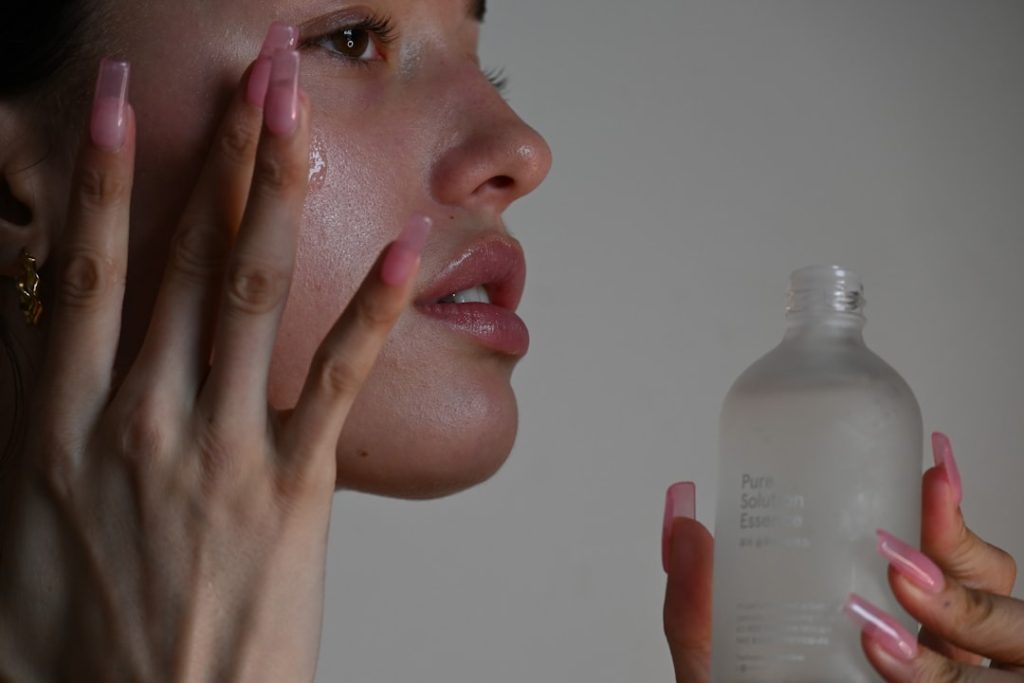
🧰 Tools & Gear You’ll Need
- An oil-based cleansing balm (formulated for makeup and SPF removal)
- A gentle water-based cleanser (gel, foam, or cream)
- A soft washcloth or cleansing mitt (optional)
- A clean towel
- Your favorite serums, moisturizers, and treatments
Why Double Cleansing with Oil Balm is a Game-Changer for Waterproof SPF and Makeup
Let’s cut to the chase: if you’re battling stubborn waterproof SPF or layers of makeup, a single cleanse often just pushes things around, leaving behind a gritty residue that can clog pores and lead to breakouts. This isn’t about adding an extra step; it’s about a more effective, fundamental clean that sets the stage for truly healthy skin. Double cleansing with an oil balm is the professional’s secret weapon for achieving a pristine canvas, ensuring that every speck of grime, product, and environmental fallout is lifted away, leaving your skin not just clean, but deeply purified and ready to receive subsequent treatments.
Understanding the Power of Oil Balms
Oil cleansers work on the principle of “like dissolves like.” The oils in the balm are adept at breaking down the oil-based components found in waterproof makeup, heavy-duty sunscreens, and even the sebum your skin naturally produces. Unlike harsh detergents that strip the skin, a well-formulated oil balm gently coaxes impurities to detach from the skin’s surface. The balm texture itself provides a luxurious slip, allowing for a thorough yet gentle massage that aids in loosening debris without causing friction or irritation.

Breaking Down Waterproof SPF and Stubborn Makeup
Waterproof SPFs and long-wear makeup formulations are engineered to resist water, sweat, and oils. This means they cling tenaciously to your skin. Simple water or micellar water often isn’t enough. These products create a barrier, and that barrier needs an oil-based solvent to effectively dissolve it. An oil balm acts as the initial solvent, meticulously breaking down the complex polymers and pigments that make these products so durable. It’s the crucial first handshake that loosens the grip of even the most tenacious formulas.
The Science Behind a Flawless Cleanse
At its core, cleansing is about removing unwanted substances. The skin’s natural barrier is lipid-based, meaning it has an affinity for oils. When you apply an oil balm, its oils mix with the oils on your skin (sebum) and the oil-based components of your makeup and SPF. This creates a larger, emulsified mixture. The subsequent addition of water (or a water-based cleanser) allows this entire mixture to be rinsed away easily. The second cleanse then removes any remaining water-soluble impurities, sweat, and dirt, ensuring a complete and thorough purification.
Choosing the Right Oil Balm for Your Skin Type
Not all oil balms are created equal, and selecting one tailored to your skin’s specific needs is paramount to avoiding irritation or exacerbating existing concerns. Think of it like choosing the right tool for a delicate job – you wouldn’t use a sledgehammer to crack a nut.
Best Oil Balms for Oily/Acne-Prone Skin
For those who tend to be oily or prone to breakouts, opt for balms that are non-comedogenic and formulated with lighter oils. Ingredients like grapeseed oil, jojoba oil, or sunflower oil are excellent choices. Avoid heavy, occlusive oils like mineral oil or petrolatum if you find they make you break out. Look for formulations that specifically state they are non-comedogenic and designed for all skin types, or even specifically for oily or acne-prone skin. The goal here is to dissolve sebum and pore-clogging impurities without adding to the oiliness.
Best Oil Balms for Dry/Sensitive Skin
If your skin leans towards dry or is easily irritated, prioritize balms rich in nourishing, emollient oils and soothing ingredients. Ceramides, shea butter, avocado oil, and squalane are your best friends. These ingredients help to replenish moisture while cleansing, leaving the skin feeling soft and hydrated, not tight or stripped. Fragrance-free and alcohol-free formulas are also crucial to minimize the risk of irritation. Balms that emulsify easily and rinse off cleanly are preferred to avoid any tugging or excessive wiping.
Best Oil Balms for Combination Skin
Combination skin presents a unique challenge, often requiring a balancing act. For these individuals, a versatile oil balm that effectively removes makeup and SPF without over-drying or over-oiling is key. Look for formulas that contain a blend of beneficial oils, such as olive oil, evening primrose oil, or even a touch of shea butter for richer hydration in drier areas, balanced with lighter oils for the T-zone. The emulsifying properties are especially important here, ensuring a thorough rinse that doesn’t leave any slick residue.
Ingredients to Look For (and Avoid)
Look For:
- Emulsifiers: Polysorbates (like Polysorbate 80 or 20) are key for that magical emulsification when water is added.
- Nourishing Oils: Jojoba oil, grapeseed oil, sunflower seed oil, squalane, shea butter, avocado oil, olive oil.
- Soothing Agents: Bisabolol (from chamomile), allantoin, centella asiatica extract.
- Antioxidants: Vitamin E (Tocopherol).
Avoid:
- Fragrance/Essential Oils: If you have sensitive skin, these are common irritants.
- Drying Alcohols: Denatured alcohol can strip the skin, especially if it’s one of the first ingredients listed.
- Mineral Oil/Petrolatum: While not inherently bad, some individuals find these too occlusive and pore-clogging, especially if the formulation isn’t well-balanced.
- Harsh Surfactants: These are typically found in second cleansers, but be mindful if an oil balm seems to foam excessively; it might be a hybrid product.
The bottom line is that a good oil balm should feel comfortable on the skin, break down makeup effectively, and emulsify cleanly without leaving a heavy or greasy film.
The Step-by-Step Double Cleansing Ritual with Oil Balm
Mastering the double cleanse isn’t complicated, but a few key techniques elevate it from a chore to a beneficial ritual.
Applying the Oil Balm – Melting Away the Day
Start with a dry face and dry hands. Scoop out a generous amount of your oil cleansing balm using the provided spatula or your fingers. Warm the balm between your dry palms until it melts into a smooth oil. Gently massage this oil onto your face using upward and outward motions. Focus on areas where you have the most makeup or SPF, like around the hairline, nose, and jawline. Take your time with this step; a minute or two of gentle massage is ideal.

How Much Product to Use?
This is where many go wrong, using too little and not getting an effective breakdown, or too much and feeling wasteful. A general rule of thumb is to use about a nickel-to-quarter-sized amount for your entire face. You want enough product to create a good slip so your fingers glide easily over your skin without pulling or dragging. If you feel resistance or tugging, you need more balm. It’s better to err on the side of slightly too much for the first cleanse to ensure complete removal.
Massage Techniques for Maximum Efficacy
Use the pads of your fingers (not your nails!) to apply gentle, circular motions. Start from the center of your face and work outwards. For areas like the nose, use your fingertips to trace the contours. Around the eyes, use your ring finger and be extra gentle, as this skin is delicate. Sweep outwards along the orbital bone and under the eye. For the jawline and neck, use upward strokes. The goal is to feel the balm melting and lifting the product without applying harsh pressure.
Emulsifying the Balm (The Magic Moment)
Once you’ve thoroughly massaged the balm and are confident that it has broken down your makeup and SPF, it’s time to emulsify. Dampen your hands with lukewarm water – not hot, not cold. Gently splash or pat your hands onto your face, distributing the water over the oil. You’ll notice the oil instantly turn milky and white. Continue massaging gently for another 30 seconds to a minute as the balm emulsifies fully, ensuring all the oil is dispersed and ready to be rinsed.
What Happens When You Add Water?
The emulsifiers in the balm react with water. They surround the oil molecules, breaking them down into tiny droplets that can then be suspended in the water. This transforms the oily residue into a milky, easily rinsable lather. If your balm doesn’t turn milky, it either lacks effective emulsifiers or you didn’t use enough water. This step is crucial; without proper emulsification, you’ll likely be left with a greasy film.
The Second Cleanse – Choosing Your Water-Based Cleanser
After thoroughly rinsing off the emulsified oil balm with lukewarm water, your skin should feel clean but not stripped. Now, follow up with your chosen water-based cleanser. This second cleanse removes any remaining traces of the oil cleanser, dissolved impurities, sweat, and any water-soluble debris. Apply your water-based cleanser to your damp face and lather gently. Massage for about 30-60 seconds, focusing on cleansing the skin thoroughly.

Best Water-Based Cleansers for Every Skin Type
- Oily/Acne-Prone: Foaming cleansers or gel cleansers with ingredients like salicylic acid, tea tree oil, or niacinamide can help control oil and keep pores clear.
- Dry/Sensitive: Cream or lotion cleansers with hydrating ingredients like hyaluronic acid, glycerin, or ceramides are ideal. Look for “gentle,” “hydrating,” or “for sensitive skin” labels.
- Combination: A balancing gel cleanser or a gentle foaming cleanser can work well. You might even consider using different cleansers on different areas if your needs vary significantly.
Rinsing and Patting Dry: The Final Touches
Rinse your face thoroughly with lukewarm water to remove all traces of the second cleanser. Avoid using hot water, which can strip the skin and cause redness. Once rinsed, gently pat your face dry with a clean, soft towel. Avoid rubbing, as this can irritate the skin and cause premature wrinkles. Your skin should feel clean, refreshed, and balanced – never tight, dry, or greasy.
Troubleshooting Common Double Cleansing Issues
Even with the best intentions, you might encounter a few hiccups. Here’s how to handle them like a seasoned pro.
Dealing with Greasy Residue
If you’re left with a greasy film after rinsing, it typically means the oil balm didn’t emulsify properly or you didn’t rinse thoroughly enough. Try using slightly warmer (but still lukewarm) water for rinsing the balm, ensuring you fully massage it as it emulsifies. Alternatively, your first cleanse might not be removing all the balm, so ensure your second cleanser is effective for your skin type and that you’re using enough.
Avoiding Product Buildup
Product buildup usually stems from inadequate cleansing. If you wear heavy makeup or robust SPF daily, insufficient massaging during the first cleanse or an incomplete second cleanse can leave behind micro-residues. Ensure you’re dedicating enough time to the first cleanse (at least 60 seconds of massage) and that your second cleanser is effectively removing water-soluble impurities. Regularly incorporating a gentle exfoliant (1-2 times a week) can also help prevent buildup.
Addressing Breakouts After Double Cleansing
A sudden breakout after starting double cleansing can be alarming. It could be a sign that the oil balm is comedogenic for your skin, or that your second cleanser isn’t effectively removing all impurities. Alternatively, you might be experiencing “purging,” where impurities are being brought to the surface faster due to increased cell turnover (often if your cleansers contain active ingredients like salicylic acid). Monitor the situation; if breakouts persist or worsen after a few weeks, re-evaluate your product choices.
Sensitive Skin Concerns During the Process
If your sensitive skin reacts with redness or stinging, it’s likely due to harsh ingredients in either the oil balm or the water-based cleanser, or even the water temperature. Stick to fragrance-free, alcohol-free, and minimal-ingredient formulas. Always patch-test new products. Use only lukewarm or cool water for rinsing, and be extra gentle during the massage steps. If irritation persists, simplify your routine back to basics and introduce products one by one.
Maximizing Your Double Cleansing Routine in 2026
As skincare evolves, so do the applications of effective cleansing. Double cleansing isn’t just for heavy makeup anymore; it’s a comprehensive approach to skin purity.
Integrating Double Cleansing into Your Morning vs. Evening Routine
While double cleansing is most critical in the evening to remove the day’s accumulation of SPF, pollution, and makeup, some people with very oily skin might benefit from a gentler version in the morning. A quick cleanse with just your water-based cleanser or a very light oil cleanse can remove overnight sebum and product residue. However, for most, the primary focus of double cleansing should be the evening routine to ensure a truly clean slate before bed, allowing skin to repair and regenerate optimally.
Beyond Makeup: Removing Pollution and Grime
In urban environments, pollution particles can settle on the skin, contributing to dullness and premature aging. An oil balm is exceptionally effective at dissolving these particulate pollutants, which often have an oily or sticky component. This makes double cleansing an essential step for anyone living in a city or exposed to environmental stressors, regardless of whether they wear makeup.

How Often Should You Really Be Double Cleansing?
For the vast majority of people who wear any form of SPF or makeup, daily double cleansing in the evening is highly recommended. If you have very dry or sensitive skin and don’t wear heavy makeup, you might opt for a single cleanse with your water-based cleanser on some nights, or use a very gentle oil cleanser followed by a hydrating cream cleanser. However, if you use waterproof SPF, long-wear foundation, or heavy eye makeup, double cleansing every single night is non-negotiable for maintaining clear, healthy skin.
Expert Tips for Effortless Double Cleansing with Oil Balm
Leverage these seasoned insights to refine your technique and elevate your results.
Pro Techniques for Eye Makeup Removal
Waterproof mascara and liquid eyeliners are notoriously tough. Apply a small amount of oil balm directly to your closed eyelids and lashes. Let it sit for 15-30 seconds to start breaking down the product. Then, gently massage outwards and downwards towards the lashes. Use your ring finger and be extremely careful not to rub vigorously, which can irritate the delicate eye area and lead to premature fine lines. After massaging, wet your hands and emulsify, then rinse thoroughly. If stubborn traces remain, you can use a cotton pad soaked in a bit of the same oil cleanser or a dedicated eye makeup remover, but try to minimize tugging.
Travel-Friendly Oil Balm Options
Traveling often means compromising on skincare, but not with the right products. Many brands now offer oil cleansing balms in solid or semi-solid forms that are less prone to leaking than liquid oils. Look for smaller, TSA-approved sizes or decant your favorite balm into a sturdy, leak-proof container. Solid balms are excellent for travel as they maintain their integrity and are easy to pack. Some brands also offer cleansing oil sticks, which are incredibly convenient.
Layering Your Skincare Post-Cleanse
The goal of double cleansing is to create a perfectly clean canvas for the rest of your routine. Once your skin is pat-dried, immediately follow with your treatment serums, eye creams, and moisturizers. Applying these products to clean, slightly damp skin can enhance their absorption. If you’re using active ingredients like retinoids or potent antioxidants, starting with a truly clean base ensures they can penetrate effectively and do their job without being hindered by residual makeup or SPF.