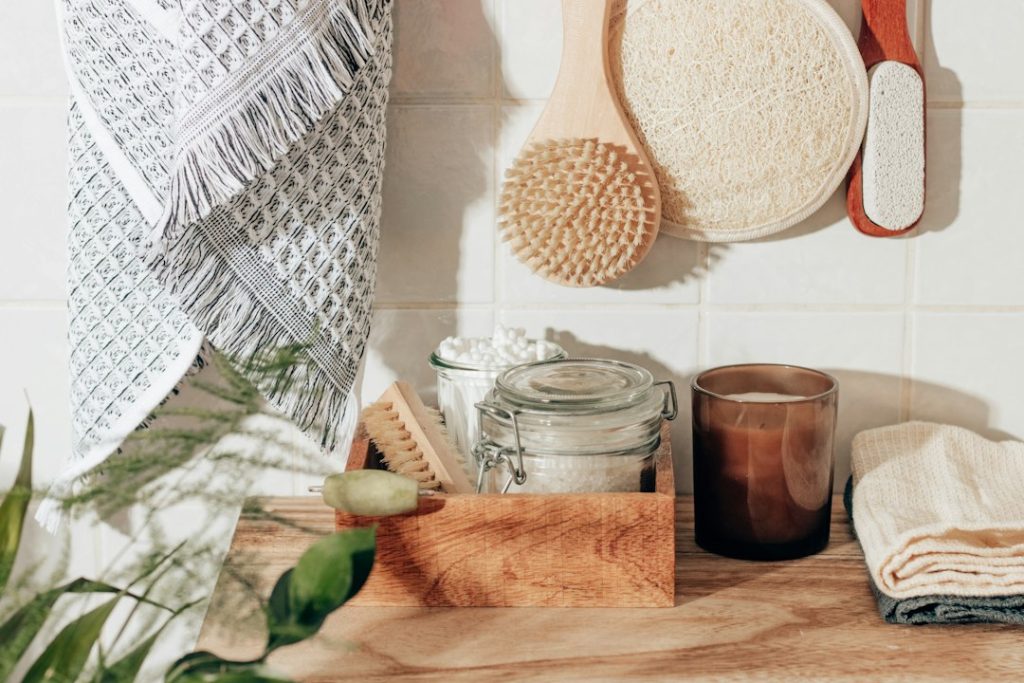
🧰 Tools & Gear You’ll Need
- A high-quality dry brush with natural bristles (boar or plant-based)
- Optional: Natural body oil (like jojoba or almond oil) for post-brushing hydration
- Comfortable clothing to change into after your bath
- A clean, dry towel
What is Dry Brushing and Why Your Lymphatic System Needs It
Let’s cut to the chase: dry brushing isn’t just another trendy spa treatment; it’s a practical, ancient technique with tangible benefits for your body’s internal plumbing and external appearance. If you’re looking for a simple, low-cost way to boost your skin health and support your body’s natural detoxification, you’ve landed in the right place. This isn’t about fluff and fancy; it’s about direct action and real results. We’re talking about leveraging a simple brush to kickstart a cascade of positive effects, starting with your lymphatic system.

The Science Behind Lymphatic Drainage Explained
Think of your lymphatic system as your body’s unsung hero – a complex network of tissues and organs that helps rid the body of wastes, toxins, and excess fluids. Unlike your circulatory system, which has a powerful heart to pump blood, the lymphatic system relies on muscle contractions, breathing, and the body’s movement to circulate lymph fluid. When this fluid gets sluggish, it can lead to a buildup of toxins, causing puffiness, dull skin, and a general feeling of being run-down. Dry brushing, through its stimulating friction, manually encourages this lymph fluid to move towards the lymph nodes, where waste products can be filtered out. It’s direct, physical assistance to a system that otherwise has limited ways to propel itself.
Dry Brushing: A Timeless Practice for Modern Wellness
This isn’t a fad born in the 21st century. Cultures across the globe have utilized dry brushing for centuries as part of their health and beauty rituals. Ancient Egyptians used it to exfoliate and prepare the skin, while Ayurvedic practices incorporate it for detoxification and revitalizing the body’s energy channels. Bringing dry brushing into your routine connects you to this long lineage of self-care, grounding the practice in a history of proven efficacy. It’s a return to basics, using a simple tool to achieve profound wellness. In today’s world, where we’re bombarded with complex health advice and expensive treatments, dry brushing stands out for its elegant simplicity and accessibility.
Choosing the Right Dry Brush for Your Body
Walking into the world of dry brushes can feel overwhelming – they range from delicate to downright rugged. But picking the right one is crucial for both effectiveness and comfort. It’s not a one-size-fits-all deal; your skin type and personal preference will dictate the best choice. Get this wrong, and you risk irritation instead of invigoration.
Bristle Types: Soft, Medium, and Firm – Which is Best for You?
This is the most critical factor. If you have sensitive, thin, or easily irritated skin, a soft-bristle brush is your starting point. Think of it as an introductory level – it provides gentle exfoliation and stimulation without causing redness or discomfort. Medium-bristle brushes offer a good balance of exfoliation and stimulation, suitable for most skin types that aren’t overly reactive. For those with tougher skin, or who are accustomed to dry brushing and desire a more intense experience, a firm-bristle brush is the way to go. However, firm doesn’t mean painful. You should feel a brisk sensation, not a scraping or burning. Always start gentler if you’re unsure.

Handle Length and Design: Ergonomics for Effective Brushing
Consider how you’ll be using the brush. If you primarily want to address your legs, arms, and torso, a brush with a long handle is essential. This allows you to reach your entire back and lower legs without straining or contorting yourself. Brushes with shorter handles or no handles at all are typically designed for more targeted areas like the face or décolletage, or for those who prefer a more direct grip. Look for ergonomic designs that feel comfortable in your hand. Some brushes have a strap, others a smooth wooden handle. The key is that it shouldn’t slip or feel awkward to maneuver, especially when your hands might be dry.
Top Dry Brush Brands and Models for Optimal Results (2026)
While specific models change, a few brands consistently deliver quality. Look for brands that clearly state their bristle material and source. For example, EcoTools offers affordable, vegan options with plant-based bristles. For a more traditional feel, brands like Jane Scrivner or Mel Millis offer high-quality boar bristle brushes with durable handles. When evaluating a brush, check reviews for comments on bristle shedding, handle durability, and overall user satisfaction. Don’t just buy the cheapest option; invest in a brush that feels solid and well-made. A brush that falls apart after a few uses is a false economy. Prioritize natural materials and robust construction.
The Perfect Dry Brushing Technique for Maximum Benefits
Knowing *what* brush to use is only half the battle. The real magic happens when you apply the correct technique. Improper brushing can be ineffective or even harmful. We’re talking about deliberate, mindful strokes, not a frantic scrub. This is about stimulating, not stripping.
Prepare Your Skin and Space
Ensure your skin is completely dry. Never dry brush over lotion or oils (unless you’re using an oil-based brush, which is a different, advanced technique). Choose a time before your bath or shower. Have your brush ready.
Start at Your Extremities
Begin with your feet and ankles. Use long, sweeping strokes moving upwards towards your heart. This follows the natural direction of lymph flow.
Work Your Way Up Your Legs
Brush both legs, always moving upwards from feet to thighs. Apply firm but comfortable pressure. You should feel the stimulation, but it shouldn’t be painful. Repeat each stroke 5-10 times.
Address Your Arms and Hands
Similarly, start with your hands and brush upwards towards your shoulders. Pay attention to the entire arm, ensuring consistent upward strokes.
Move to Your Torso
For your torso, brush in a clockwise direction around your abdomen. For your chest and upper back, use upward strokes towards your neck. Be gentle around sensitive areas like the breasts.
Don’t Forget Your Back
Use a long-handled brush to reach your entire back, again moving strokes upwards towards your neck and shoulders.
Rinse Off and Hydrate
After brushing, step into your bath or shower to wash away the exfoliated skin cells and toxins. Follow up with a natural moisturizer or body oil to hydrate and soothe your skin.
Step-by-Step: Pre-Bath Dry Brushing Routine
The ideal time to dry brush is before you get wet. Your skin needs to be completely dry for the bristles to effectively exfoliate dead skin cells and stimulate circulation without dragging or causing irritation. Begin your routine in a place where you don’t mind a little skin shedding – your bathroom is perfect. Start at your feet, using light, upward strokes towards your heart. Think of it as gently coaxing the lymph fluid along its path. Move systematically up your legs, then your arms, always in upward motions. When you get to your torso, brush in a clockwise direction around your belly and upwards on your chest and back. The entire process should take about 5-10 minutes. Once done, hop in the shower or bath to rinse everything off. This removal of dead skin cells is key to revealing the smoother, brighter skin underneath.

Pressure Points and Strokes: Targeting Key Lymphatic Areas
While the general rule is to brush towards the heart, there are specific areas where you can be more focused. The neck and collarbone area are crucial lymph node hubs. After brushing upwards on your chest and sides, use gentle, upward strokes along your neck towards your jawline and down towards your collarbones. Your armpits are another significant area for lymph nodes; ensure you brush lightly in that region. The groin area also houses important nodes, so when brushing your inner thighs, direct strokes gently towards this area. The key is always upward and towards the center of the body. Avoid vigorous scrubbing on bony areas or near sensitive organs. It’s about stimulation, not abrasion.
How Long and How Often Should You Dry Brush?
Consistency is more important than intensity. For most people, dry brushing 3-5 times a week is sufficient to see and feel benefits. You can dry brush daily if your skin tolerates it well and you use a moderate pressure. A session should typically last between 5 to 10 minutes. Overdoing it – brushing too hard or too often – can lead to skin irritation, redness, and even micro-tears. Listen to your body. If your skin feels raw or overly sensitive, take a break or reduce the frequency and pressure. Remember, the goal is to support your body, not to punish your skin.
Beyond Smooth Skin: The Deeper Health Benefits of Dry Brushing
While the immediate gratification of softer, smoother skin is undeniable, the true value of dry brushing lies in its systemic effects. This practice is a low-key powerhouse for boosting overall health and vitality, moving far beyond superficial aesthetics.
Boosting Circulation and Energy Levels
The vigorous friction created by dry brushing stimulates blood flow to the skin’s surface. This increased circulation delivers more oxygen and nutrients to your skin cells, promoting a healthier, more radiant complexion. More importantly, this boost in circulation can translate to increased energy levels. By encouraging blood and lymph to move more efficiently, you can combat feelings of sluggishness and fatigue. Many users report feeling more awake and invigorated after a dry brushing session, particularly when done in the morning.

Supporting Detoxification Processes
As mentioned, a primary benefit of dry brushing is its role in supporting the lymphatic system’s natural detoxification functions. By manually moving lymph fluid, you help the body efficiently transport waste products and toxins to the lymph nodes for elimination. This aids your body’s internal cleansing processes. While it’s not a replacement for a healthy diet and lifestyle, it’s a valuable addition that encourages your body to do what it does best – clear out the gunk. Think of it as giving your internal waste management system a helpful nudge.
Improving Skin Texture and Reducing Appearance of Cellulite
The exfoliating action of dry brushing sloughs off dead skin cells, revealing the smoother, brighter skin underneath. Over time, this can lead to a more refined skin texture, reducing the appearance of minor blemishes and improving overall tone. For cellulite, dry brushing doesn’t magically make it disappear, but it can temporarily improve its appearance. By increasing circulation and plumping the skin, it can make the dimpled look of cellulite less noticeable. Consistent brushing can also help break down fluid buildup in the underlying tissues, contributing to a smoother contour.
Common Dry Brushing Mistakes to Avoid
Like any effective technique, dry brushing has its pitfalls. Steering clear of these common errors will ensure you reap the benefits without unintended consequences.
Over-Brushing and Excessive Pressure
This is perhaps the most frequent mistake. People think that more pressure or longer brushing equals better results. This couldn’t be further from the truth. Brushing too hard can irritate, damage, or even break the skin, leading to redness, inflammation, and increased sensitivity. Over-brushing can strip the skin of its natural oils, leading to dryness and a compromised skin barrier. Remember: firm, brisk strokes are the goal, not aggressive scrubbing. If your skin is red for hours after brushing, you’re likely being too rough.
Brushing on Wet Skin: Why It Doesn’t Work
Dry brushing, by definition, requires dry skin. When your skin is wet or even slightly damp, the brush bristles glide over the surface rather than gripping and exfoliating. This significantly reduces the effectiveness of the practice. Instead of sloughing off dead skin cells and stimulating circulation, you’re essentially just moving a damp brush around. The friction is lessened, the exfoliation is minimal, and the lymphatic stimulation is greatly diminished. Always ensure your skin is bone dry before you begin.
Ignoring Skin Sensitivities and Reactions
Not everyone’s skin is created equal, and what works for one person might cause a reaction in another. If you have conditions like eczema, psoriasis, rosacea, or particularly sensitive skin, you need to proceed with extreme caution. Some people with these conditions may find dry brushing exacerbates their symptoms. Always start with the softest brush available, use minimal pressure, and test on a small, inconspicuous area first. If you notice any increased redness, itching, or irritation, stop immediately. It’s not worth risking a flare-up for.
Integrating Dry Brushing into Your Daily Wellness Ritual
Dry brushing isn’t a one-off treatment; it’s most effective when incorporated seamlessly into your life. Making it a regular habit transforms it from a chore into a cherished part of your self-care routine.
Morning vs. Evening Routines: Finding Your Flow
Many people prefer dry brushing in the morning. The invigorating stimulation can help wake you up, boost circulation, and set a positive tone for the day. It perfectly complements a pre-shower routine, leaving you feeling refreshed and energized. However, there’s no hard rule. Some find the ritual calming and prefer to do it in the evening as part of their wind-down routine. The key is consistency. Choose the time that best fits your schedule and energy levels. If you find it too stimulating before bed, stick to the morning. If you enjoy the mindful act of preparing for rest, evening can work too.
Complementary Practices: Dry Brushing and Other Self-Care Modalities
Dry brushing is a powerful standalone practice, but it becomes even more potent when combined with other wellness activities. Pair it with a mindful meditation session before or after to enhance the mind-body connection. Follow your post-brushing shower with a nutrient-rich body oil or lotion application to maximize skin hydration and nourishment. Incorporate deep breathing exercises during your brushing routine to further support lymphatic flow. For those interested in deeper detox, consider combining it with periods of sauna use (if appropriate for your health) or intermittent fasting. The synergy between these practices amplifies the overall benefits, creating a holistic approach to well-being.
Frequently Asked Questions About Dry Brushing for Lymphatic Health
Got questions? We’ve got answers. Navigating a new wellness practice often brings up queries, and dry brushing is no exception.
Is Dry Brushing Suitable for All Skin Types?
Generally, yes, but with caveats. As discussed, individuals with very sensitive skin, or those with conditions like eczema or psoriasis, should exercise extreme caution and opt for the softest brushes. Those with robust, non-reactive skin can typically use medium to firm brushes. Always start gently and observe your skin’s reaction. If you experience persistent redness or irritation, it may not be the right practice for your specific skin type, or you may need to adjust your technique drastically.
Can Dry Brushing Replace Professional Lymphatic Massage?
No, dry brushing cannot fully replace professional lymphatic drainage massage. While dry brushing is an excellent tool for stimulating lymph flow and aiding detoxification, it is a more generalized approach. Professional lymphatic massage, performed by a trained therapist, is a highly specific, manual technique that can address deeper congestion, target specific problem areas with precision, and provide a more profound therapeutic effect, especially for individuals with lymphedema or post-surgical swelling. Think of dry brushing as daily maintenance and a preventative measure, while professional massage is a targeted treatment.
What to Expect in the First Few Weeks of Dry Brushing
In the first few weeks, you can expect to notice several changes. Your skin will likely feel smoother and look brighter due to the exfoliation of dead skin cells. You might experience a temporary increase in energy and a general feeling of being “cleaner” internally as your lymphatic system gets a boost. Some users report a reduction in minor skin imperfections or a temporary lessening of cellulite’s appearance. If you’re prone to puffiness, you might notice a subtle decrease. Remember, significant, long-term changes take consistent practice. Don’t get discouraged if you don’t see dramatic results immediately; focus on building the habit and trusting the process.